Monday, March 2, 2020

11 KENYAN MPs ON SECRET TRIP TO SOMALIA COULD FACE ESPIONAGE CHARGES


Nairobi, KENYA

A secret weekend visit to Somalia by 11 Kenyan MPs at a time the two countries are locked in a diplomatic tiff has raised eyebrows in security circles.
Some of the 11 MPs at the Jomo Kenyatta International Airport in Nairobi after returning from Somalia.
Upon their return on Sunday, the legislators were held briefly for questioning at the Jomo Kenyatta International Airport (JKIA) before being released, with indications that they could face a parliamentary probe for leaving the country without official clearance. Six of the parliamentarians are from the border counties of Mandera, three from Wajir and two from Garissa.

They chartered a flight to Somalia capital Mogadishu on Saturday, where they had dinner with President Mohamed Abdullahi Farmaajo. Their agenda was not disclosed, although they travelled on diplomatic passports and were treated as State guests.

They are Kullow Maalim (Banisa), Ahmed Kolosh (Wajir West), Ibrahim Abdi (Lafey), Rashid Kassim (Wajir East), Mohamed Hire (Lagdera), Omar Maalim (Mandera East), Bashir Abdullahi (Mandera North), Adan Haji (Mandera West), Dr Hassan Dahiye (Daadab), Ahmed Bashane (Tarbaj) and Aden Keynan (Eldas).

Initial reports indicated that the MPs met with members of the Somali National Intelligence Agency (NISA) but one of the leaders, who spoke to the Nation, denied this.

Addressing the press at JKIA, Interior Security Secretary Muriithi Kangi said the MPs would not be charged in court “at least for the time being”.

“What was of concern to the country was how the MPs travelled to a foreign country without clearance and on a matter whose agenda was not clear to the government,” said Mr Kangi. The incident came as Kenya and Somalia traded accusations over interference.

The Nation has learnt that Kenya is protesting what it calls Somalia’s “fabricated” accusations of internal interference.

In a strongly-worded protest note to Mogadishu, Nairobi says it supports Somalia’s peace bid, but will not accept to be used to settle its neighbour’s political games.

 “Kenya rejects the unwarranted and invalid allegations made by the Federal Government of Somalia and takes great exception to the fabricated indictments of interfering in Somalia’s internal affairs.

These baseless accusations are part of a growing and persistent pattern of ill intent to use Kenya as a scapegoat and tool to justify unfulfilled legitimate and social demands in Somalia and for political mileage,” states the note seen by the Nation.

“Kenya will not accept to be used in that manner… Kenya considers the accusations to be an insincere attempt by the Federal Government of Somalia to create artificial fissures in the relations between the two countries for short-term political expediency. These efforts have at times escalated to threats to Kenya’s security....”

Kenya’s concerns on its national security arose from comments last month by the Gedo region Deputy Governor Abdi Moalimu, who threatened to mobilise SNA troops to invade the country.
MPs Rashid Kassim (Wajir East),Omar Salah Maalim (Mandera East) ,Mohammed Hire (Lagdera) and Kullow Maalim (Banisa) alighting from an aircraft at Jomo Kenyatta International Airport on March 1,2020 from Somalia.
Despite their release, the Nation has learnt that the MPs may not be off the hook just yet.

Their secret trip may be headed for investigations by the relevant committee of the National Assembly that will come up with specific recommendations to the relevant investigative agencies, such as the Directorate of Criminal Investigations (DCI).

On Sunday, National Assembly Speaker Justin Muturi confirmed that the MPs did not seek his clearance before travelling to a country that has become hostile, going by the pronouncements of her senior government officials and the threat of Al-Shabaab.

“I was only told about it yesterday [Sunday] but they did not seek permission or even inform me as required,” Mr Muturi told the Nation.

According to Standing Order 260 of the National Assembly, members travelling outside Kenya, whether in an official or a private capacity, shall give to the Speaker a written notice to that effect, indicating the destination intended to be visited.

They are also required to give the dates of the intended travel and period of absence from Kenya and their email, telephone contact, postal or physical address during the period of absence from Kenya.

The information submitted under this Standing Order shall be kept in a register that the Clerk shall maintain for that purpose and shall not be disclosed to any person without the permission of the Speaker.

If brought to the House, whether through a petition by an MP or any member of the public, the matter will be investigated by the Powers and Privileges Committee of the House chaired by the Speaker.

The import of the probe will be to establish whether the MPs violated the privileges accorded to them by the State.

If found culpable by the recommendations of the committee and if adopted by the House, charges of treason, which essentially means siding with a State at war with Kenya or espionage — spying for a foreign nation — may be preferred against them.

Mandera North MP Bashir Abdullahi earlier on told the Nation the legislators had travelled on a “security mission”.

“It is true we are in Mogadishu. We came here for the simple reason of the insecurity that has affected our region, we needed to talk to Somalia authorities to help find a solution,” he said.

Mr Bashir, a retired soldier, said the group met the Federal Government of Somalia. “We arrived in Mogadishu on Saturday and, after lunch, we met President Farmaajo who was a person of interest to us in this visit,” he said.

The Nation, however, learnt that the mission was not officially communicated to protocol officials at the National Assembly or the Foreign Ministry.

Neither Kenya’s Ambassador to Mogadishu Lucas Tumbo nor the Ministry of Foreign Affairs in Nairobi knew of the visit.

As is tradition, when MPs travel to a foreign country, the local Kenyan diplomatic mission must be told as MPs are State officers.

A diplomat in Nairobi told the Nation that no communication or agenda on the visit was shared.

The note comes barely hours after police briefly detained and later on released 11 MPs at the Jomo Kenyatta International Airport in Nairobi moments after they landed from Mogadishu.

It was a response to Somalia’s own accusation of Nairobi, but it came in the aftermath of the politicians travelling on a secret mission to talk about a public security issue that is routinely handled by the executive.

While MPs may travel as private citizens, meeting a foreign President is not and must be the arrangement of protocol officers, a diplomat in Nairobi explained.

But more curious was the fact that the MPs travelled on the invitation of the Somali National Security Intelligence Agency Fahad Yasin. And left the country on a chartered flight, paid for by Mogadishu. While in Mogadishu, they lodged on the premises of NISA, suggesting the mission was more a Mogadishu affair than a Kenyan one.

Later on Saturday, they were hosted to dinner in Villa Somalia, the residence of the Somali President.

Officially, Mr Abdullahi said the MPs deliberated on safeguarding Gedo Region that has been used as an entry point by Al-Shabaab, an al-Qaeda affiliate in Somalia, into Kenya.

“It is known that the Jubbaland forces and other forces in Somalia have not taken full control of the Gedo region leading to increased cases of insecurity in the North-Eastern region,” the MP argued.

But this argument came as Somalia publicly accused Kenya of interfering in its internal matters and violating its territorial integrity.

In the Gedo region, part of Jubbaland federal state, the Somali National Army has recently been deployed ostensibly to guard the border but to actually fight off Jubbaland security forces, Kenya’s known allies.

If the mission was to seek security cooperation, then Somalia’s own sentiments contradicted it.

Mr Abukar Dahir Osman, the Somali Ambassador to the UN, had, in fact, said his government had run out of diplomatic channels in engaging with Kenya and suggested his country could report Nairobi to the UN Security Council.

“Kenya continues to be a destabilising force for Somalia. Kenya’s continuous encroachment into Somalia’s border areas outrightly undermines our sovereignty and territorial integrity,” he told the UN Security Council sitting on Thursday, referring to the border squabbles.

“If these aforementioned actions do not immediately cease, we will invoke the United Nations Charter, Article 35, and we will bring our case against Kenya’s breach of our sovereignty … to the UN Security Council.”

The said article allows a member state to bring any dispute or situation likely to endanger international security, to the attention of the UN Security Council.

Kenya will on Monday be submitting a response to the Somali envoy’s claim to the UN Security Council and Nairobi will now accuse Mogadishu of using local agents in Kenya to destabilise the country when the UN Security Council opens sessions on Monday afternoon.

Were the MPs now anti-Kenyan tools by Mogadishu? Mr Omar Maalim, another of the MPs, had last week touched off a spark when he asked why Kenya was hosting a fugitive from Jubbaland, Adinur Abdirashid Janan, wanted by Mogadishu for alleged human rights crimes. Janan had reportedly fled a house arrest in Mogadishu.

The MPs, however, said their travel was based on directives issued by President Uhuru Kenyatta in their recent State House meeting in Nairobi.

 “President Kenyatta asked us to find a solution to the current insecurity in North-Eastern and we felt we should start with Mogadishu which can help us close all security loopholes,” Abdullahi said, referring to the incessant Shabaab attacks in the area.

“We are good neighbours and we urged Somalia to support Kenya get a seat in the Security Council which will help improve the situation,” he said.

“We were there as a bridge between Kenya and Somalia on the maritime boundary dispute and we urged Somalia's administration to tone down on counter-accusations but find an amicable solution for a mutual relationship,” he said.

The MP said the trip was only an initiative of MPs from North-Eastern and that the three governors were in the picture and they did not need clearance from Nairobi.

“We have a parliamentary diplomatic arrangement which we used to come but still a top office in Nairobi is aware of the same,” he said.

He vehemently denied that the legislators met the Somali National Intelligence Agency (NISA) as claimed in a section of the media.

“We came to meet Somalia President on issues affecting North-Eastern that come from Gedo region and we met nobody else, we shall stop at nothing in finding a solution to the current situation,” he said.

The Kenya Defence Forces are a part of the African Union Mission in Somalia, meant to fight Al-Shabaab. But the relationship between the two countries has been lukewarm since Farmaajo took power in February 2017. Mogadishu also sued Kenya at the International Court of Justice over a maritime boundary dispute. The case is to be determined this June. - Daily Nation

THE CORONAVIRUS STRIKING MEN, OLDER PEOPLE THE HARDEST


Beijing, CHINA
The coronavirus is on the cusp of becoming a global pandemic and experts say that, if it does, older people and men could be most at risk for serious illness and death.

Men have died from coronavirus at nearly twice the rate as women, and the virus has been shown to sicken and kill older folks at a greater rate than young people, according to data from China.
The coronavirus death rate among men in China stands at 2.8%, compared with 1.7% among women, according to a report last week from the Chinese Center for Disease Control and Prevention.
About 80% of people who have died from the virus in China were over 60 years of age, China's National Health Commission has reported. Studies in The Lancet found an average age of 55 among Chinese citizens who've developed pneumonia as a result of coronavirus infection.
It's too soon to know exactly why this happens, but experts say a combination of gender and age differences could be affecting how well some people respond to infection with the virus.
There have been nearly 90 000 confirmed coronavirus infections around the world and more than 3 000 deaths, according to the latest data.
China is the epicenter of the potential pandemic with more than 2 900 deaths.
Generally, young children and seniors are the age groups most severely affected by influenza and other viral infections, said Dr Sean O'Leary, an associate professor of pediatric infectious disease at the University of Colorado School of Medicine.
Kids have young immune systems that are only beginning to learn how to protect against infection, while older people have immune systems that are winding down and becoming less effective, experts say.
And according to Dr Lona Mody, associate division chief of geriatric and palliative care medicine at the University of Michigan Medical School, "Older adults, we know, are more susceptible to all infections in general and viral infections in particular because our immune systems become less powerful as we age. This makes us more prone to dangerous viral strains."
Seniors also have bodies that are more prone to chronic illnesses caused by the wear and tear of ageing, O'Leary said, and that could be the crucial factor that leaves older people more at risk for serious illness and death from coronavirus than kids.
Conditions like arthritis, diabetes, heart disease and cancer are known to leave the body less able to cope with infection, the experts explained.
"We certainly see more impact from viruses in people who have some kind of underlying chronic disease," O'Leary said. "Children tend to do better with these diseases than older adults because, in general, they tend to be a healthier population."
Women also appear to have an immune advantage over men when it comes to coronavirus, and this could be because women tend to have more robust immune systems than men.
Dr Greg Poland is a vaccine researcher and infectious disease specialist with the Mayo Clinic, in Rochester, Minnesota. He said, "In general, females respond better to infectious diseases than males. That's even known with influenza virus.
"Men are sicker than women when they get influenza."
The immune system in females is so primed that they are far more susceptible to autoimmune diseases like lupus and rheumatoid arthritis than men, Dr Janine Clayton, director of the Office of Research on Women's Health at the US National Institutes of Health, told The New York Times. Nearly four of five people with autoimmune diseases are women.
But differences between men and women extend beyond biology and into lifestyle, and that might also influence the risk of a coronavirus infection becoming deadly, the experts added.
For example, men in China smoke at a much higher rate than women, research has shown. More than half of Chinese men smoke, compared with around 3% of women.
It turns out smoking activates a receptor used by the coronavirus to infect human cells, ACE-2, Poland said.
"That is the speculation behind why we are seeing such an unreasonably high severe case and fatality rate inside China," Poland noted.
If this is so, then gender differences in coronavirus illness and death might not be as striking in the United States, where around 15% of men smoke compared with 12% of women.
Poland and the other experts cautioned that it's too soon to know whether any of these early differences will bear out over time, and whether these explanations are anything more than guesswork.
"We're building the airplane while we're flying it," Poland said of the research response to coronavirus.

21 KILLED IN HORROR SOUTH AFRICA BUS CRASH


A bus that overturned in the Eastern Cape


Eastern Cape, SOUTH AFRICA
At least 21 people were killed in a bus accident in the Eastern Cape on Monday, the Road Traffic Management Corporation (RTMC) has said.
The bus was travelling on a gravel road near the Tafalofefe Hospital on Monday morning around 08:00 when it overturned, said RTMC spokesperson Simon Zwane.
"The Marcopolo bus was travelling from Chebe, picking passengers at locations along the road to Butterworth," he said.
While the exact cause of the crash was not known, Zwane said the driver reportedly lost control of the bus in the bushes down a steep area.
The final number of casualties has yet to be confirmed. Earlier on Monday, Zwane said 20 people were injured.
Eastern Cape Department of Health spokesperson Sizwe Kupelo said they had dispatched two helicopters and ambulances after hearing about the accident between Mazeppa Bay and Cebe.
"Because of the terrain where the accident happened, our helicopters cannot land. Our ambulances are on the ground while others are on their way to the scene of the accident."
First responders reported spotting at least 10 bodies which appeared to have been thrown from the bus when it rolled.
"We have instructed hospitals in Mthatha and East London to keep beds unoccupied in anticipation that those who might be injured will be transferred there. As soon as the search and rescue mission has been completed, we will keep people informed as to where they should go to see their loved ones."
The first passenger to be airlifted to East London was a critically injured three-year-old boy. – News2
4

Sunday, March 1, 2020

WITH THREE OFFICIAL CASES, AFRICA'S LOW CORONAVIRUS RATE PUZZLES HEALTH EXPERTS


Geneva, Swiss

Whether it's a matter of faulty detection, climatic factors or simple fluke, the remarkably low rate of coronavirus infection in African countries, with their fragile health systems, continues to puzzle and worry experts.
Nigeria was the first sub-Saharan country to report an official case of coronavirus, when an Italian working in the country came back from Milan on February 24 carrying the virus.
To date, only three cases of infection have been officially recorded in Africa, one in Egypt, one in Algeria and one in Nigeria, with no deaths.

This is a remarkably small number for a continent with nearly 1.3 billion inhabitants, and barely a drop in the ocean of more than 86,000 cases and nearly 3,000 deaths recorded in some 60 countries worldwide.

Shortly after the virus appeared, specialists warned of the risks of its spreading in Africa, because of the continent’s close commercial links with Beijing and the fragility of its medical services.

“Our biggest concern continues to be the potential for Covid-19 to spread in countries with weaker health systems,” Tedros Adhanom Ghebreyesus, the head of the World Health Organization, told African Union health ministers gathered in the Ethiopian capital of Addis Ababa on February 22.

In a study published in The Lancet medical journal on the preparedness and vulnerability of African countries against the importation of Covid-19, an international team of scientists identified Algeria, Egypt and South Africa as the most likely to import new coronavirus cases into Africa, though they also have the best prepared health systems in the continent and are the least vulnerable.

As to why the epidemic is not more widespread in the continent, “nobody knows”, said Professor Thumbi Ndung’u, from the African Institute for Health Research in Durban, South Africa. “Perhaps there is simply not that much travel between Africa and China.”

But Ethiopian Airlines, the largest African airline, never suspended its flights to China since the epidemic began, and China Southern on Wednesday resumed its flights to Kenya. And, of course, people carrying coronavirus could enter the country from any of the other 60-odd countries with known cases.

Favourable climate factors have also been raised as a possibility.

“Perhaps the virus doesn’t spread in the African ecosystem, we don’t know,” said Professor Yazdan Yazdanpanah, head of the infectious diseases department at Bichat hospital in Paris.

This hypothesis was rejected by Professor Rodney Adam, who heads the infection control task force at the Aga Khan University Hospital in Nairobi, Kenya. “There is no current evidence to indicate that climate affects transmission,” he said. “While it is true that for certain infections there may be genetic differences in susceptibility...there is no current evidence to that effect for Covid-19.”

The study in The Lancet found that Nigeria, a country at moderate risk of contamination, is also one of the best-equipped in the continent to handle such an epidemic.

But the scientists had not anticipated that the first case recorded in sub-Saharan Africa would be an Italian working in the country.

Little more than a week ago, “our model was based on an epidemic concentrated in China, but since then the situation has completely changed, and the virus can now come from anywhere,” Mathias Altmann, an epidemiologist at the University of Bordeaux and one of the co-authors of the report, told FRANCE 24 on Friday. The short shelf-life of studies testify to the speed of the epidemic’s spread.

The Italian who tested positive for the coronavirus in Lagos had arrived from Milan on February 24 but had no symptoms when his plane landed. He was quarantined four days later at the Infectious Disease Hospital in Yaba. Several people from the company where he works have been contacted and officials are trying to trace other people with whom he might have had contact.

For Altmann, an expert in infectious diseases in developing countries, the fact that coronavirus appears to have entered sub-Saharan Africa through Nigeria is “actually good news”, because the country appears to be relatively well prepared for confronting the situation.

In a continent that “has had its share of epidemics and whose countries, therefore, have a huge knowledge of the field and real competence to react to this kind of situation”, Nigeria is in a very good position to confront the arrival of Covid-19, Altmann said.

“The CDC [Center for Disease Control] responsible for the entire region of West and Central Africa is located in Abuja, the capital of Nigeria, which means that their organisational standard in health matters is very high,” he added.

The country was already renowned for “succeeding to pretty quickly contain the Ebola epidemic in 2014,” Altmann points out. It took the Nigerian authorities only three months to eradicate Ebola in the country. 

The World Health Organization and the European Centre for Disease Prevention and Control at the time congratulated Nigeria for its reactivity and “world-class epidemiological detective work”.

But despite Nigeria’s strengths, the coronavirus pathogen represents a particular challenge, in that it is hard to detect. The virus may be present in an individual who has few or no symptoms, allowing it to spread quietly in a country where, like everywhere in Africa, there is “a shortage of equipment compared to Western countries, especially in diagnostic tools”, Altmann said.

Neighbouring countries like Chad or Niger have “less functional capacity to handle an epidemic,” Altmann said. But they also have an advantage: these are agricultural regions where people are outdoors more, “and viruses like this one prefer closed spaces and are less likely to spread in a rural setting,” he added.

DIGITAL TECHNOLOGIES BOON FOR KENYAN YOUTHS IN JOB CREATION


NAIROBI, Kenya
Kenyan youth are cashing in on the growth of digital technologies, with many using the platforms to create jobs for themselves and others.
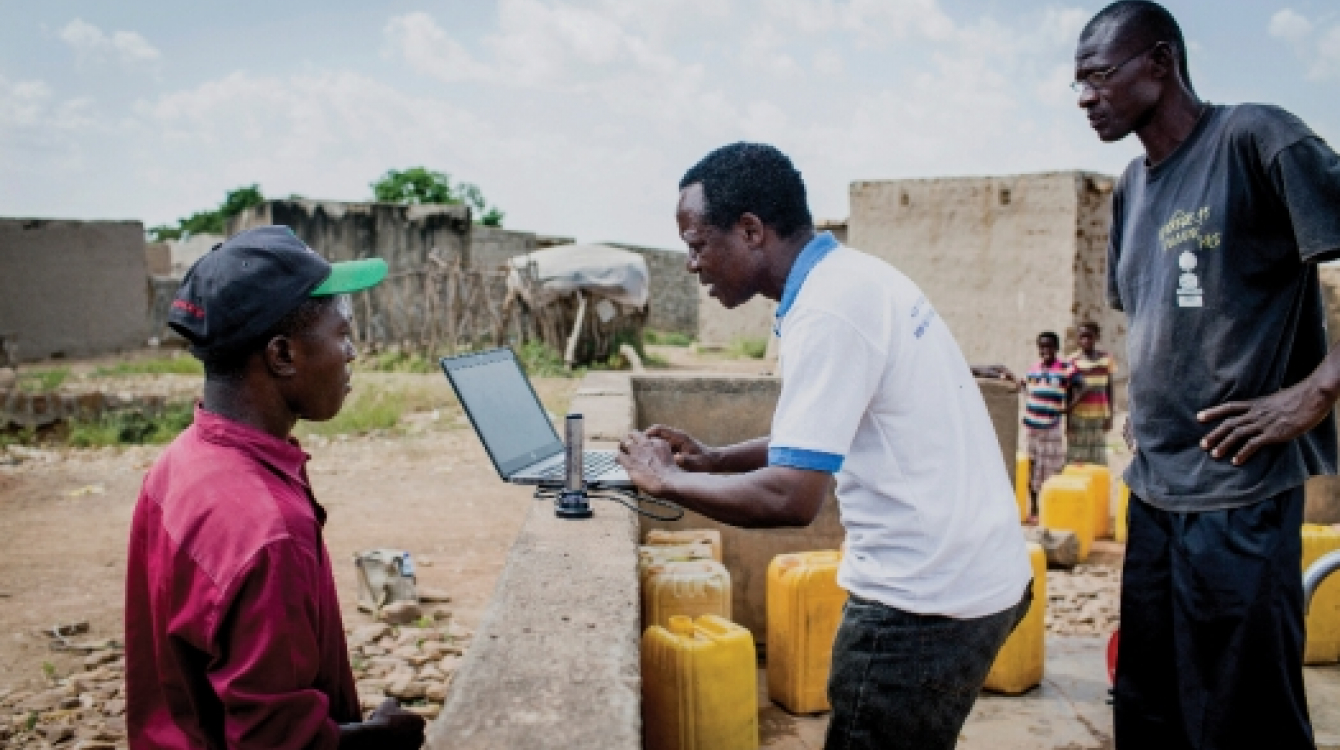
East Africa's biggest economy is now awash with youths earning a living exclusively online.Image result for DIGITAL TECHNOLOGIES BOON FOR KENYAN YOUTHS IN JOB CREATION
Some are running blogs, other e-commerce platforms while a huge number are working as social media influencers.
The latter is currently among the most sought-after digital workers by corporates and politicians to promote products, courses or sensitize the public.
Even the government is turning to the influencers when it wants to drive a certain agenda and to reach to the youth.
Kenya is among the countries in sub-Saharan Africa with the highest number of social media users.
There are 8.2 million active social media users in the East African nation, according to Digital 4 Africa, a think-tank in Kenya. About 70 percent of them are on Facebook, 14 percent on Instagram and 12 percent on Twitter.
This has come as a boon to the influencers who are cashing in on demand for their services.
"There is good money on social media, you only need to figure out how to make it," said Gilbert Matsio, who trained as a journalist but now blogs for an entertainment website in Kenya.
His work is to write entertainment stories focusing on celebrities and review events and he is earning a living from it.
"When I left college four years ago, my dream was to work in one of the top media houses in Kenya. Then reality sunk in that jobs were hard to come by. A friend showed me opportunities online and I have never looked back," said Matsio, noting in a good month he earns 150,000 shillings (1,500 U.S. dollars).
He has over 50,000 followers on both Twitter and Instagram, which he calls his social media asset. But that is not all that he does, he is also a social media influencer.
He was among dozens of influencers hired two weeks ago by a multinational that was launching new margarine in Kenya.
"Our work was to make the company trend on social media and highlight the aspects of the product. We did it," he said.
Joseph Macharia, the founder of Mkulima Young, an e-commerce platform, said he created the platform after noticing farmers are not marketing their products directly to consumers.
"They were selling to brokers at a lower price, what was making them earn less," he said.
His website now provides farmers in Kenya and across Africa a platform to sell and seek goods to buy.
"Digital technologies provide farmers with additional marketing opportunities and act as an enabler in solving problems as farmers place their products on the site for a wider market catchment," he said.
"A digital economy offers new job opportunities for the youth, growth of micro, small and medium enterprises and for the majority of the Kenyans who are farmers, the digitization of the agricultural sector offers new opportunities through innovations that upscale the agricultural value chain," according to the Digital Economy Blueprint 2019 by Kenya's Ministry of Information, Communication and Technology.
The Kenyan government is currently running the Ajira Digital Program, which has enabled over 630,000 youths to have access to online jobs, according to the Ministry.
Bernard Mwaso, a software developer with Edell IT Solution in Nairobi, noted that digital technologies are the new frontier for job creation in Kenya as the other sectors slow down.
"Digital technologies are not only working as enablers of other services but they are themselves providing opportunities. Mobile money is a good example where it is facilitating business and has created over 240,000 jobs for agents," he said.

SUDAN FIRES SCORES OF DIPLOMATS ALLEGEDLY LINKED TO DICTATOR BASHIR


KHARTOUM, Sudan
Sudan has fired scores of diplomats for alleged links to the administration of toppled President Omar al-Bashir, a legal committee said on Saturday.
The Empowerment Removal Committee was formed under a law introduced in November to dismantle the system built by Bashir, who was ousted in April last year after nearly three decades in power.
Dictator Omar Al Bashir
“One-hundred-and-nine ambassadors, diplomats and administrators were fired from the Ministry of Foreign Affairs, and those were appointed through political and social empowerment,” Mohamed al-Faki, deputy head of the committee, told a news conference in the capital, Khartoum.
Some of the diplomats were appointed by Bashir himself and the others were picked through his now dissolved National Congress Party, said Taha Othman, a member of the committee.
Earlier this month, the committee dissolved the boards of the country’s central bank and 11 other state-owned banks and fired the managers of eight of the banks.
It also seized the assets of the former ruling party last month.
The Empowerment Removal Committee was formed under a law introduced in November to dismantle the system built by Bashir, who was ousted in April last year after nearly three decades in power.
“One-hundred-and-nine ambassadors, diplomats and administrators were fired from the Ministry of Foreign Affairs, and those were appointed through political and social empowerment,” Mohamed al-Faki, deputy head of the committee, told a news conference in the capital, Khartoum.
Some of the diplomats were appointed by Bashir himself and the others were picked through his now dissolved National Congress Party, said Taha Othman, a member of the committee.
Earlier this month, the committee dissolved the boards of the country’s central bank and 11 other state-owned banks and fired the managers of eight of the banks.
It also seized the assets of the former ruling party last month. - Reuters

UN-MEDIATED POLITICAL TALKS ON LIBYA END IN DISARRAY


By Lisa Schlein, GENEVA Swiss

United Nations mediated political talks aimed at resolving the crisis in Libya have ended in disarray, with nothing accomplished except an agreement to meet again next month.  
Boys stand near a damaged house after shells fell on a residential area, in Abu Slim district, south of Tripoli, Libya, Feb. 28, 2020.
The talks got off to a shambolic start. Before the first round of Libyan political negotiations even began, members of opposition warring groups suspended their participation. U.N. envoy to Libya Ghassan Salame acknowledged that this caught him off guard.
"We were surprised the day the meeting was supposed to start that some people had to leave because they were asked to.  However, those who stayed decided that the occasion was too rare and precious and therefore that the political track should start with those who stayed in Geneva,” Salame said.
Libya has been in a state of crisis ever since rebel military commander Khalifa Haftar attacked Tripoli last April.  The military assault on the capital and seat of the internationally recognized Government of National Accord has killed more than 1,000 people and displaced hundreds of thousands.
The U.N. has been pursuing three parallel negotiations. The resolution of Libya’s crisis hangs on the continuation and outcome of those military, economic and political tracks.  
Salame said the economic-financial track is going well.  But the military track is in trouble because the warring parties continue to violate a temporary cease-fire.  That, he said, is having a serious effect on the political negotiations.  
During the past week, he said, many areas have been hit by shelling, including the Tripoli airport. 

"Many areas of the capital have been also shelled.  It is clear that neither one of the three tracks can move positively while the cannon is doing what it is doing right now,” he said.

Salame is calling on the two sides to respect the truce they had accepted last month during a summit in Berlin. He also is calling on countries of influence, including those that are intervening in Libyan affairs, to put pressure on those that violate the cease-fire and on those that violate the U.N. arms embargo on Libya.
A United Nations report names Jordan, Turkey and the United Arab Emirates as chief offenders. - Africa

NO DEAL FROM US-BROKERED NILE DAM TALKS

White House, US

Ethiopia rejected a U.S. - brokered agreement on the Grand Ethiopian Dam (GERD) and said it would commence first filling of the structure, one day after the Trump administration concluded two days of what is supposed to be the final round of talks. Addis Ababa did not participate in the latest negotiation in Washington. 


In a statement released Saturday, the country said it did not accept the U.S. "characterization that the negotiation on the Guidelines and Rules on the First Filling and Annual Operation of the GERD (Guidelines and Rules) is completed."
Ethiopia said the text of the draft agreement reportedly initialed by Egypt was "not the outcome of the negotiation" with Egypt and Sudan, but noted its commitment to continue engagement with them to address the matter. 
Addis Ababa and Cairo have been at odds in a water war on the issue of the filling and operation of the giant Ethiopian dam that Egypt worries could threaten its supply of water from the Nile.
Instead of meeting with the three countries involved in the conflict, U.S. Treasury Secretary Steven Mnuchin, host of the negotiations, participated in bilateral meetings Thursday and Friday with ministers of foreign affairs and ministers of water resources of Egypt and Sudan.
According to a Treasury statement late Friday, the United States “facilitated the preparation of an agreement on the filling and operation of the Grand Ethiopian Renaissance Dam (GERD) based on provisions proposed by the legal and technical teams of Egypt, Ethiopia and Sudan and with the technical input of the World Bank.”
“The United States believes that the work completed over the last four months has resulted in an agreement that addresses all issues in a balanced and equitable manner, taking into account the interests of the three countries,” the statement said, adding that the final testing and filling of the dam “should not take place without an agreement.”
The statement noted “the readiness of the government of Egypt to sign the agreement” and recognized that “Ethiopia continues its national consultations.”
On Wednesday Ethiopia said it would not participate in the latest rounds of negotiations. The country’s ambassador to the United States, Fitsum Arega, said on Twitter that, “Ethiopia will not sign any agreement that gives up its rights on how to use its own Nile water.”
A second statement by Ethiopia’s Water, Irrigation and Energy Ministry, published by Ethiopia’s state-owned media, said it would not take part in this week’s meetings because it has not completed internal consultations.
“They aren’t really talks without Ethiopia,” said Bronwyn Bruton, deputy director of the Atlantic Council’s Africa Center.
Sources tell VOA that Ethiopia has been urging Mnuchin since Feb. 13 to postpone the talks, as well as remind the U.S. of its “neutral observer status.” Mnuchin responded that the U.S. will continue talks as planned.
Mnuchin also disputed Ethiopia’s characterization of his role, saying that the observer status the U.S. agreed to is limited to regional technical negotiations and does not include Washington talks.
Despite the setback, the process may not be entirely lost.
Ethiopia is calling this a postponement, said William Davison, senior Ethiopia analyst at the International Crisis Group.
“They’re not suggesting that the meeting has been canceled forever, but only that they need more time to prepare for it,” he said.
Final negotiations among Ethiopia, Egypt and Sudan on the guidelines and rules of filling and operation of the $4.5 billion mega dam were scheduled for Thursday and Friday. Mnuchin, whom U.S. President Donald Trump had appointed to lead on the matter has hosted several rounds of talks since November, with ministers from the countries and the World Bank.
The Treasury Department has not responded to VOA’s requests for additional comments.
There has been widespread concern in Ethiopia that its delegation is being pressured by the U.S. to accept a deal it cannot live with.
On Thursday, a few dozen Ethiopians in Washington protested in front of the U.S. Department of State building, urging the U.S. to stop its pressure campaign against Addis Ababa.
The dam is the centerpiece of Addis Ababa’s bid to increase domestic energy production for its growing population. Ethiopia and Egypt have been negotiating for years, but one sticking point remains the rate at which Ethiopia will draw water out of the Nile to fill the dam’s reservoir. Cairo fears Ethiopia’s plans to rapidly fill the reservoir could threaten Egypt’s source of fresh water.
“It is a hugely important and sensitive issue,” said Mirette Mabrouk, director of the Middle East Institute’s Egypt Studies program. “It’s a matter of life and death for a lot of people, certainly for more than a million Egyptians.”
In the last round of Washington talks last month, Egypt, Ethiopia and Sudan agreed on a schedule for staged filling of the dam and mitigation mechanisms to adjust its filling and operation during dry periods and drought.
The parties said at the time that they would sign a final agreement by the end of February. It is unclear whether there will be any follow-up talks after this week’s negotiations broke down.
Trump has been interested in the project since he agreed to intervene based on Egyptian President Abdel Fattah el-Sisi’s request in September. He has since invited officials from the countries in the dispute to at least two Oval Office meetings, and called Ethiopian Prime Minister Abiy Ahmed Ali to discuss the matter.
An administration official told VOA that Trump prides himself in his deal-making abilities and wants to see this agreement achieved. No one from the administration, though, has elaborated on what the U.S. interest is in this deal.
In November, the Ethiopian Embassy in Washington held a press conference during which officials gave a detailed account of their U.S.-brokered meeting and said Trump was planning to “cut the ribbon” after the completion of the dam.
America’s significant leverage over Ethiopia could provide Trump with a chance to push for a treaty to prove his deal-making prowess, said Addisu Lashitew, the Rubinstein Fellow in the Global Economy and Development program at the Brookings Institution. 
“In the wake of his controversial peace plan for resolving the Israeli-Palestinian conflict, President Trump might be keen to strengthen his friendship with Egypt by resolving his thorny issue,” Lashitew said.  
Egypt has been a key player in the Middle East peace talks. Last month the Trump administration released its plan to resolve the conflict between Palestine and Israel, without buy-in from the Palestinians. - VoA